If you've been researching air conditioning for your home, you've almost certainly encountered both types - monoblock and split system. The marketing for each can make the decision confusing. This guide cuts through it.
We sell monoblock units at The Air Shop, so you might expect us to tell you they're always better. They're not. What we'll do instead is give you an honest comparison so you can decide which is genuinely right for your situation - even if that means a split system is the better answer for you.
What is a monoblock air conditioner?
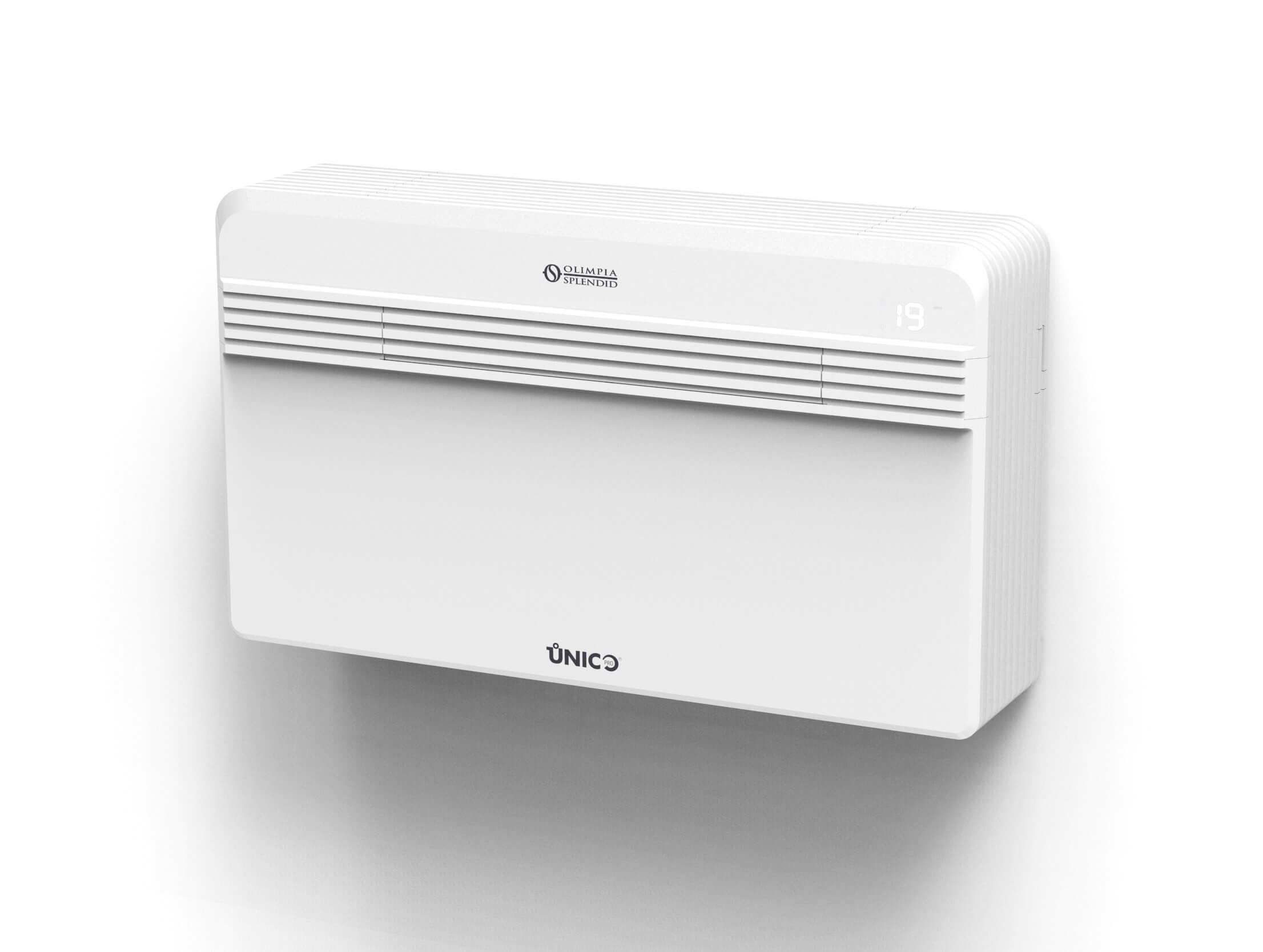
A monoblock air conditioner is a single, self-contained unit that sits inside your room. It takes in warm room air, cools it, and expels the heat outside through a duct that passes through a small hole in your external wall. Everything - the compressor, the heat exchanger, the fan - is housed in one indoor unit. There is no outdoor component.
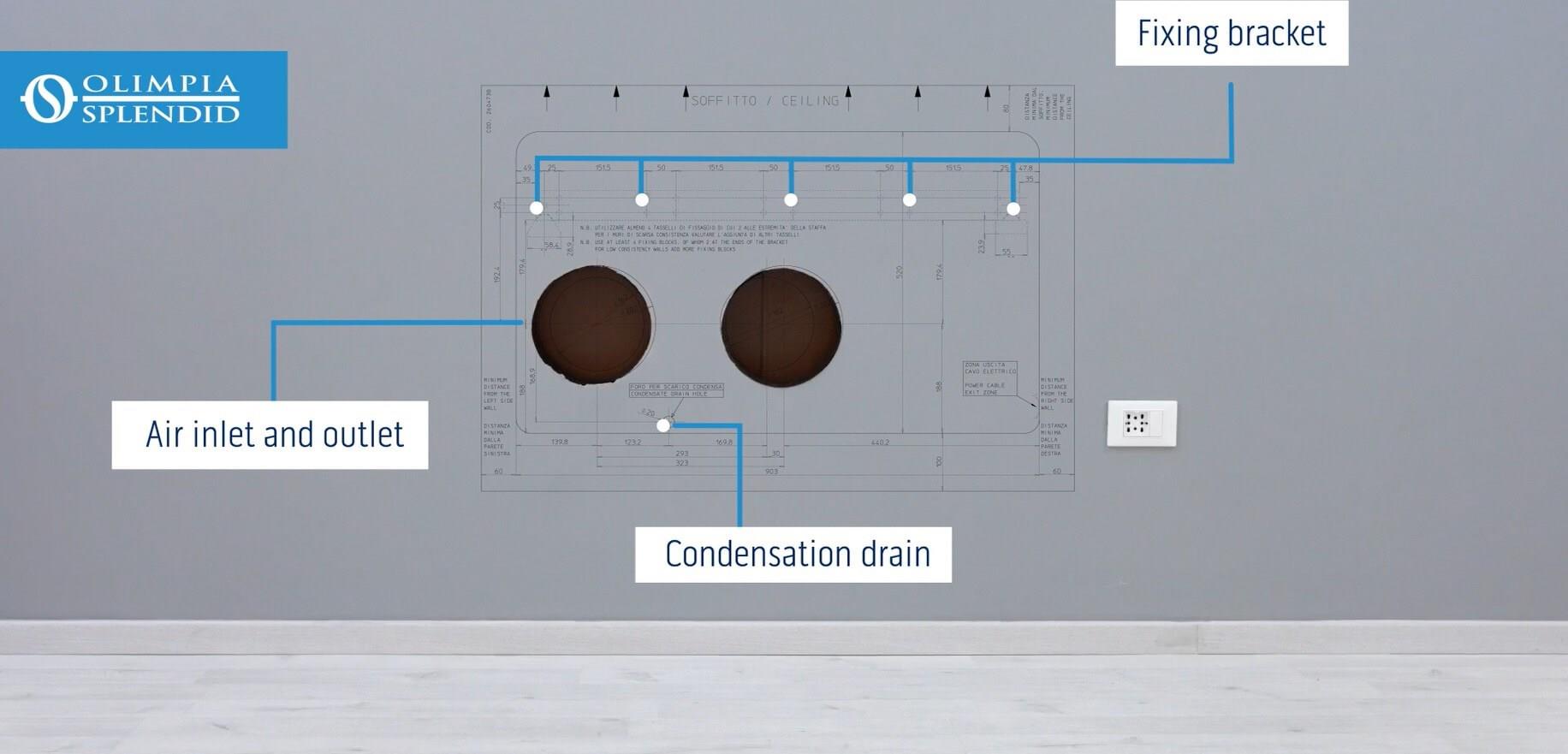
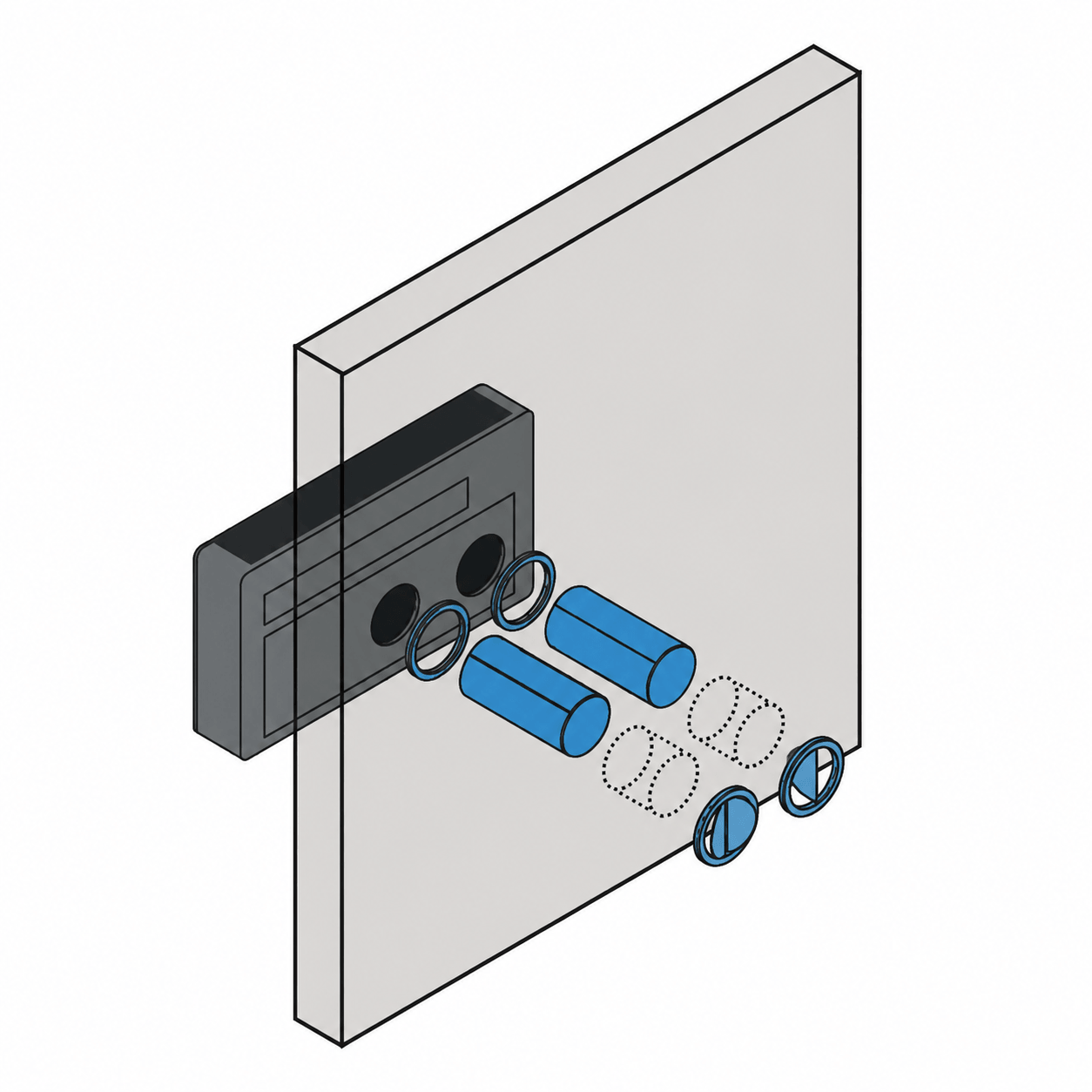
Because there's no refrigerant pipework to connect during installation, a monoblock unit can be fitted by any competent DIYer. You drill two core holes, fit a wall sleeve, connect the duct, plug in, and you're running. No engineer, no F-gas certification required.
What is a split system air conditioner?
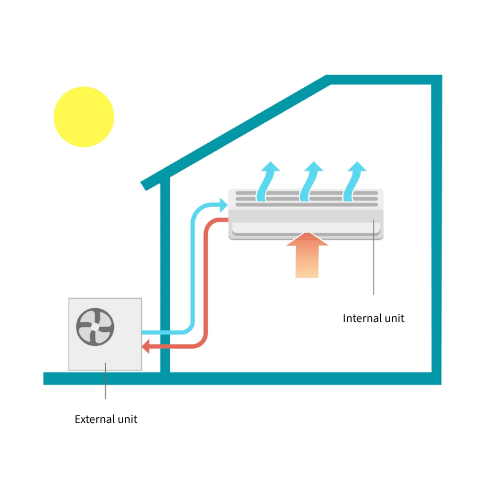
A split system has two components: an indoor unit that delivers conditioned air into the room, and an outdoor condenser unit that's fixed to an outside wall, roof, or on the ground. The two units are connected by refrigerant pipework that runs through a small hole in the wall.
The indoor unit is typically slimmer and quieter than a monoblock, because the compressor - the noisiest and largest component - is outside. The outdoor unit, however, requires professional installation. Connecting refrigerant lines must be carried out by an F-gas certified engineer, adding to the overall cost.

The honest comparison
Installation cost
This is the biggest practical difference between the two.
A monoblock unit: you do it yourself. Tools, a core drill hire, and an afternoon. Total additional cost beyond the unit price: typically £30–80 for drill hire if you don't own one.
A split system: you need a certified engineer. Installation costs vary, but expect to pay £500–£1,500 depending on your location, the complexity of the installation, and the engineer's rates. This is on top of the unit price.
For a single room, this often means a monoblock unit is cheaper overall even if the unit itself costs a similar amount to a split system.
Winner: monoblock - significantly cheaper to get running.

Energy efficiency
Split systems are more efficient. Because the compressor is outside, away from the cooled space, and the indoor unit is optimised purely for air distribution, a split system typically achieves a higher SEER (Seasonal Energy Efficiency Ratio) than a comparable monoblock.
In practical terms, running a split system will usually cost slightly less per hour than running a monoblock of equivalent cooling capacity. The difference depends on the specific models, but is typically in the range of 10–20% better efficiency for split systems.
For light or occasional use - a few weeks in summer - this difference is unlikely to be meaningful. For a unit running many hours daily throughout the year, the efficiency saving could eventually offset some of the higher installation cost.
Winner: split system - more efficient, lower running costs over time.

Performance and cooling power
For most domestic rooms - bedrooms, living rooms, home offices - both types perform equally well at keeping the room at your target temperature. A correctly sized monoblock unit will cool a room just as effectively as a correctly sized split system.
Where split systems have a meaningful performance advantage is in very large spaces, or in commercial settings where multiple indoor units are connected to one outdoor condenser. For typical UK domestic rooms under 40 m², you are unlikely to notice a performance difference.
Winner: draw for domestic rooms. Split system wins for very large spaces.
Noise
Split systems are generally quieter indoors. The compressor - the noisiest part - is outside. Indoor units typically operate at 19–26 dB(A) in quiet mode.
monoblock units house the compressor inside, so there's more noise indoors. Quality modern units have improved significantly and operate from around 26–32 dB(A) in sleep mode - still quiet enough for bedroom use, but not quite as silent as the best split systems.
Outside, the situation reverses. A split system's outdoor compressor unit generates noise that can affect neighbours or outside spaces. A monoblock has no outdoor noise source - only the exhaust airflow from the duct, which is minimal.

Winner: split system indoors. monoblock outdoors.
Installation complexity and disruption
monoblock: two core holes, a wall sleeve, a duct connection, a plug socket. Done in an afternoon. No specialist required.
Split system: indoor unit mounted on wall, outdoor unit mounted externally (requires brackets, appropriate wall fixings, and structural adequacy), refrigerant lines run through walls, electrical isolation switch fitted, F-gas engineer required to pressurise and commission the system. A full day's work for a qualified installer, often two people.
Winner: monoblock - dramatically simpler.
Planning and permissions
monoblock units have no outdoor component. This makes them suitable for:
- Flats and apartments where external alterations are restricted by the lease
- Listed buildings and conservation areas where outdoor units would affect appearance
- Properties where management company approval for external works would be needed
- Rented properties where reversible installations are preferred
Split systems require an outdoor unit fixed to an external wall or surface. In most UK homes this falls under permitted development and doesn't need planning permission - but in conservation areas, on listed buildings, in flats, or where the unit faces a highway, restrictions can apply.
Winner: monoblock - far fewer restrictions.
Aesthetics
Split system indoor units are slim wall-mounted panels - discreet and modern-looking. The outdoor unit varies from barely noticeable to fairly prominent depending on where it's sited.
monoblock units are larger indoor units, floor-standing or larger wall-mounted boxes. They're well-designed by modern standards, but they're more visible indoors than a split system's slim panel.
Winner: split system indoors. monoblock outdoors (no visible external unit).

Maintenance
Both types require similar routine maintenance: regular filter cleaning (monthly during heavy use), annual checks, and occasional professional servicing.
For split systems, any refrigerant-related maintenance or fault must be handled by an F-gas certified engineer. For monoblock units, most maintenance is accessible to the owner, and there's no refrigerant work involved during routine servicing.
Winner: monoblock - simpler, more owner-accessible maintenance.
Which should you choose?
Choose a monoblock unit if:
- You want to self-install and avoid engineer costs
- You live in a flat, apartment, or leasehold property
- You're in a listed building or conservation area
- You need cooling for one or two rooms
- You want the unit quickly without waiting for an installer's availability
- Budget is important and you want the best value including installation costs
Choose a split system if:
- You're happy to pay for professional installation and want the quietest possible indoor unit
- You're cooling a large open-plan space or multiple rooms on one system
- You plan to run the unit for many hours daily and want the lowest possible running costs over several years
- You own your home outright with no restrictions on external alterations
- You're having building work done anyway and can incorporate the installation at lower disruption cost
A word of honesty
We sell monoblock units. But if you've read this far and a split system genuinely suits your situation better, we'd rather you know that and buy the right thing than buy a monoblock that's wrong for you.
For most people asking us this question - renters, flat owners, people who want to cool one or two rooms without the hassle and cost of an engineer - a monoblock is the right answer. It's simpler, faster to get running, and the total cost including installation is typically lower.
But if you're a homeowner cooling a large open-plan living space and running costs over five-plus years matter more to you than upfront simplicity, a split system deserves serious consideration.
Any questions about which is right for your specific situation - call us. We'll give you a straight answer.
Shop monoblock AC units
Room sizing guide
Contact The Air Shop
 Share
Share
Back to Blog