Let’s get straight to the number one question everyone has about an MVHR System : the noise
It’s the first thing people want to understand and the last thing they want to compromise on - and with good reason, a ventilation system should work quietly in the background doing its' thing.
Ultimatley, MVHR noise comes down to the need for a professional design and good quality installation.
Where does noise really come from?
Noise in an MVHR system isn’t random, it’s the result of a handful of design decisions made early in the process. When those decisions are right, the system runs quietly in the background. When they’re not, the system works harder than it should, and that’s when noise becomes noticeable.
Unit sizing: The foundation of quiet operation
The first major factor is selecting the right-sized MVHR unit.
If a unit is too small, it’s forced to work harder to deliver the airflow your home needs. That increased workload means increased fan speed and more noise. When a system is sized correctly, it can operate comfortably at lower speeds, staying quiet and efficient. All units have reported noise levels, it's a good starting point to choose a quiet unit, but should not be viewed in isolation, as other factors will affect the 'installed noise'
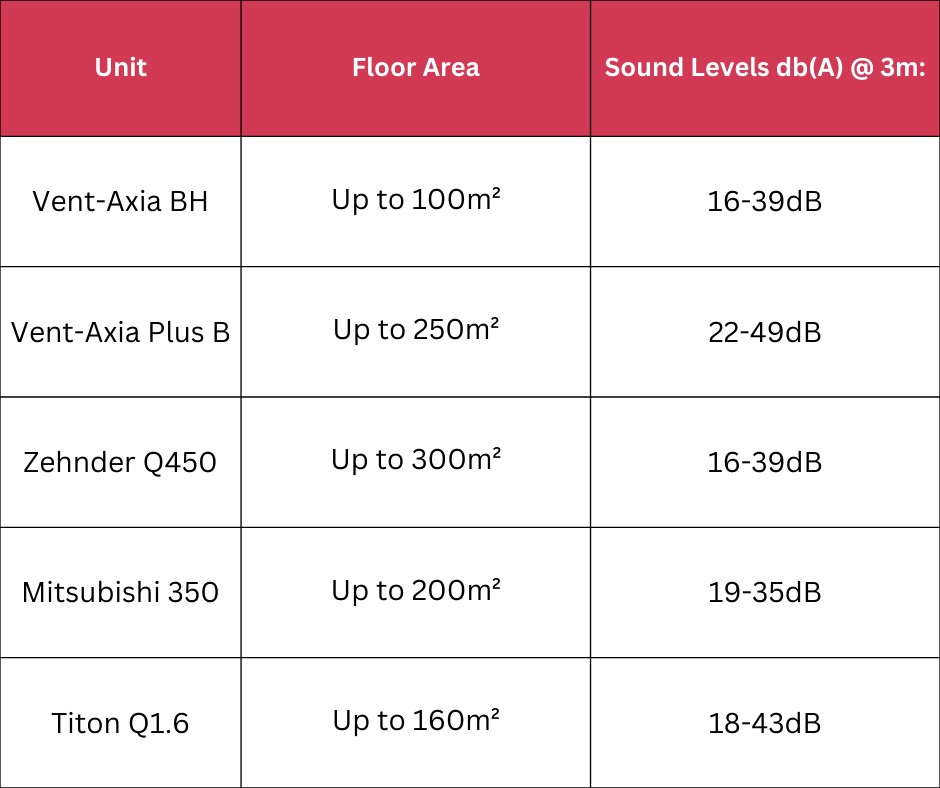
View our full range of MVHR Units
Airflow calculations: Getting the balance right
Proper airflow calculations ensure the system is balanced - imbalances create turbulence, and turbulence creates sound. We ensure the airflow calculations and room rates are accurate - It's one of the simplest ways to eliminate noise before it ever becomes a problem.
Duct type
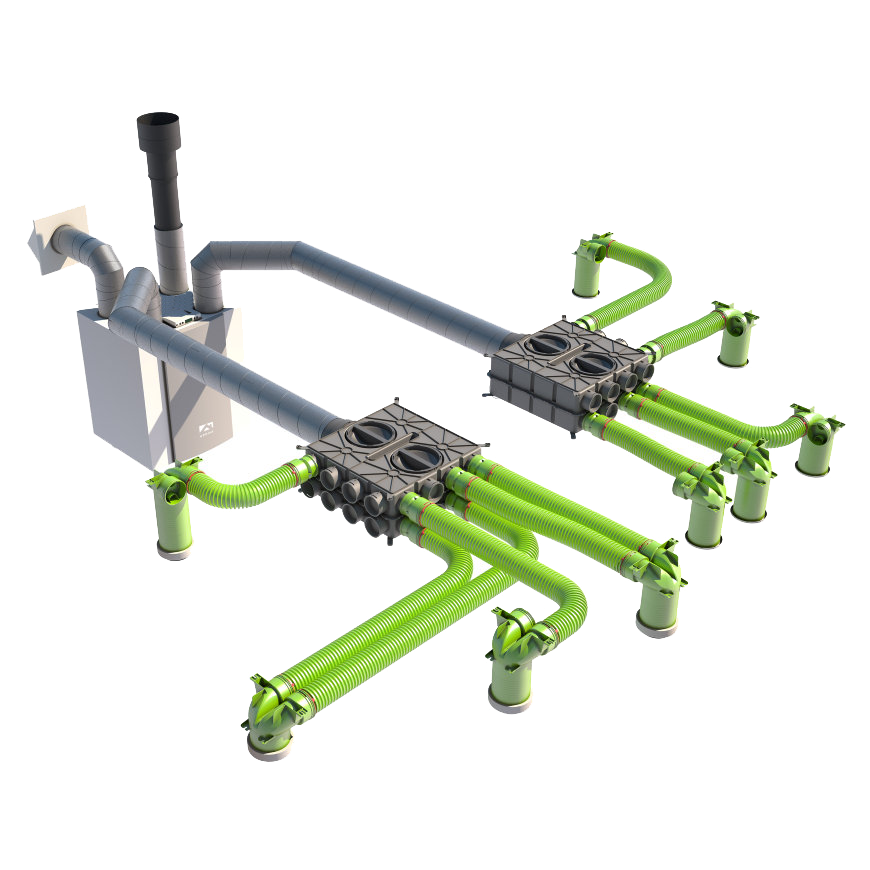
One of the most effective ways to reduce noise is by using semi-rigid ducting.
Semi-rigid ducting is designed for low air velocity, which creates a lower system pressure drop. It is a radial ducting approach that has individual duct runs to each room (rather than a central duct that branches off) This not only helps your system run more efficiently but also reduces noise levels (no cross talk between rooms, making your home more comfortable and peaceful.
Combined with proper insulation and careful planning of duct routes, semi-rigid ducting can make a noticeable difference to how quietly your MVHR system operates.
 Duct Size and Resistance
Undersized ducting forces air to speed up and creates resistance within the system. That resistance translates directly into sound, both in the ducts themselves and in the rooms they serve.
Correct duct sizing ensures:
- Low resistance
- Gentle, efficient airflow
- A quieter, more comfortable system
It’s a detail that’s easy to overlook especially from a cost comparison factor, but impossible to ignore if it’s done wrong.
Where you put the unit matters
Placement of the MVHR unit plays a huge role in perceived noise.
An MVHR unit located near bedrooms or in a cramped space without vibration control will always seem louder. But with the right location, usually in a utility room, loft, or plant area, and proper mounting, the unit becomes virtually unnoticeable.
We consider:
- Space for vibration isolation
- Distance from living and sleeping areas
- Service access for filters and maintenance
Even a perfectly designed system can sound louder than necessary if positioned poorly.
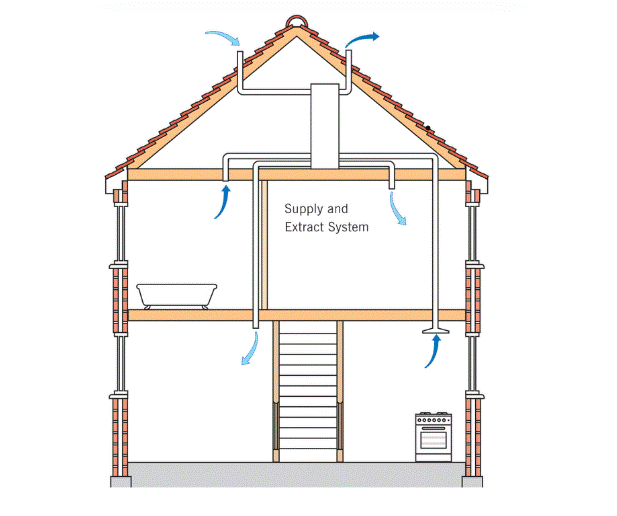
All These Choices Add Up – so get the design right from the beginning! To avoid these issues - getting a professional design is crucial see our design services
Installation
Installation plays a huge role in how quietly the system performs. The best design can be undermined by poor installation practices, while careful, thoughtful installation can keep noise to an absolute minimum.
Airtight, properly-sealed connections
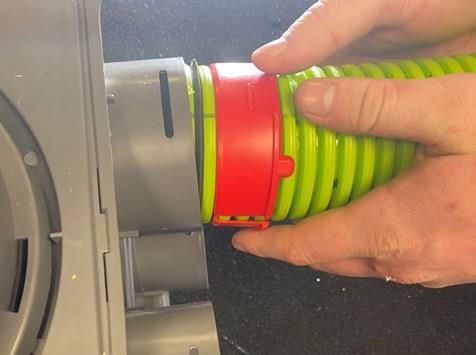
Leaks in the system not only reduce performance, buyt they also create whistling, rattling, or fluttering sounds. Sealing every joint correctly and using the right connectors ensures a quiet, balanced system.
External terminations installed with care
Outside terminals influence sound inside and outside the home. If they’re installed too close together or positioned in restricted spaces, airflow can be disrupted - causing noise that travels down the ductwork.
Correct spacing and weatherproofing help keep the system whisper-quiet.
Mounting the unit to avoid vibration
Noise isn’t caused by one single factor - it’s the combination.
A small unit working too hard, ducts that restrict airflow, inaccurate calculations, or a poorly chosen location can turn a well-intentioned setup into a system that just can’t stay quiet.
But when all these elements are designed correctly with a good quality installation the result is simple: a calm, quiet system that fades into the background of your home.
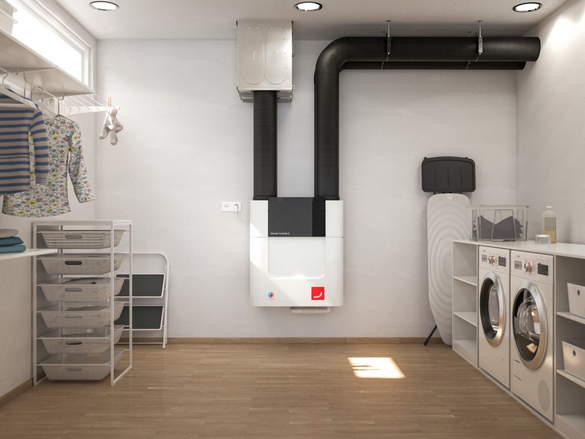
At The Air Shop, noise isn’t an afterthought - it’s one of the first things we design and support for.
If you have any other questions don't hesitate to contact us via our contact form or send us an email at sales@theairshop.co.uk
 Share
Share
Back to Blog